
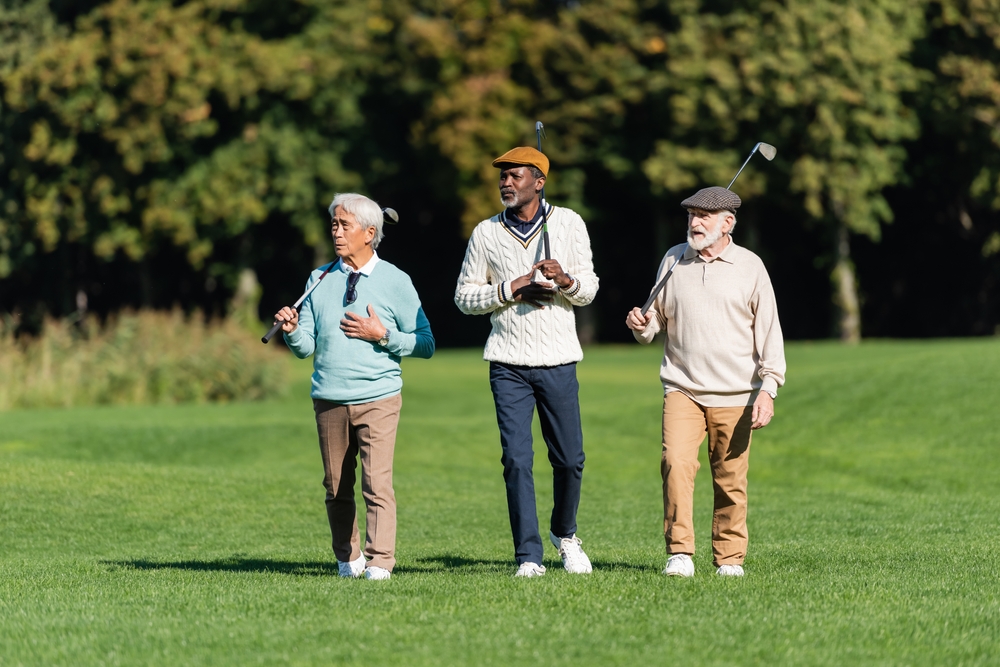
Arthritis is a common cause of joint pain and stiffness, especially with aging. While it can affect many areas of the body, symptoms often develop in the knees, hips, spine, and shoulders, making movement more difficult and sometimes discouraging activity.
However, staying active is one of the most effective ways to manage arthritis. With the right guidance, physical therapy and chiropractic care can help reduce pain, improve mobility, and support long-term joint function.
Understanding Arthritis and Movement
Arthritis involves gradual changes in joint cartilage and surrounding structures. As cushioning decreases, joints may become stiff, irritated, or inflamed.
This can lead to:
- Pain with movement
- Morning stiffness
- Reduced flexibility
- Decreased strength
- Limited activity tolerance
Avoiding movement may seem helpful in the short term, but inactivity often leads to further stiffness and weakness, worsening symptoms over time.
How Conservative Care Supports Arthritic Joints
Non-surgical treatment focuses on maintaining joint mobility while improving the strength and support of surrounding muscles.
Chiropractic care can help:
- Improve joint motion
- Reduce stiffness
- Decrease mechanical stress
- Support spinal and joint alignment
Physical therapy helps:
- Strengthen muscles that support joints
- Improve flexibility and balance
- Enhance movement patterns
- Increase activity tolerance
Together, these approaches help joints move more comfortably and efficiently.
The Benefits of Staying Active with Arthritis
Appropriate movement and strengthening offer many advantages for people with arthritis:
- Reduced joint pain
- Improved mobility
- Better stability
- Increased endurance
- Greater independence in daily activities
Regular activity also supports overall health, including balance, bone strength, and circulation.
Individualized Rehabilitation Matters
Arthritis affects each person differently, so treatment plans should be tailored to symptoms, joint involvement, and activity goals. A guided program may include:
- Gentle mobility exercises
- Progressive strengthening
- Postural training
- Balance and coordination work
- Functional movement training
As strength and tolerance improve, activities can gradually expand.
Long-Term Joint Health and Function
While arthritis is a chronic condition, many people successfully manage symptoms and remain active with conservative care and ongoing exercise. Consistency is key; maintaining mobility and strength helps reduce flare-ups and preserve function.
Supporting an Active Lifestyle
Joint pain doesn’t have to mean giving up the activities you enjoy. With proper guidance and a personalized rehabilitation approach, many individuals with arthritis continue to move comfortably and confidently.
If arthritis is limiting your mobility or daily activities, conservative care focused on joint motion, strength, and function can help you stay active and maintain independence.